

Nollywood’s Growing Popularity and Mixed Reactions
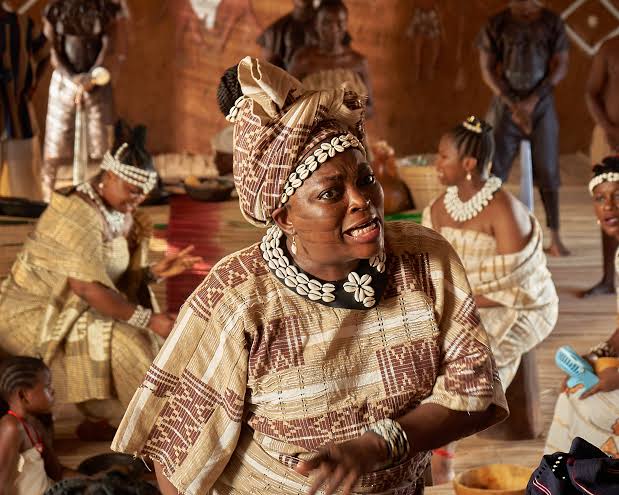
The Nigerian film industry, often referred to as Nollywood, has seen remarkable growth in recent years. In particular, Yoruba Nollywood has gradually gained an international audience thanks to improved storylines, stronger performances, and overall better production quality. These achievements have not only attracted praise but also some criticism.
- Nollywood’s Growing Popularity and Mixed Reactions
- Fans Voice Concerns Over Nollywood’s Repetitive Casting Choices
- Calls for Fresh Faces and New Narratives in Nollywood
- The Impact of Historical Epics on Yoruba Nollywood
- The Debate: Familiarity vs. Innovation in Yoruba Movies
- Why Producers Rely on Established Stars
- Audience Reactions: Comfort in Familiarity or Desire for Change?
- The Future of Yoruba Nollywood: To Innovate or Not?
Fans Voice Concerns Over Nollywood’s Repetitive Casting Choices

While many people celebrate Nollywood for making a name for itself on the global stage, not everyone is satisfied with its current direction. A significant point of contention is the repeated use of the same actors across different movies. This complaint was reignited recently with the announcement of a new historical Yoruba film, *Lísàbí*, produced by popular actor and filmmaker Lateef Adedimeji.
Calls for Fresh Faces and New Narratives in Nollywood
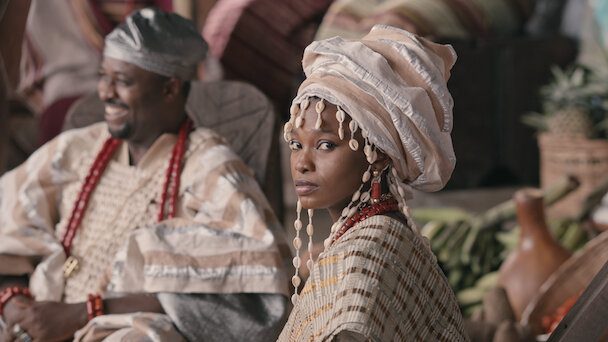
Following the announcement, Twitter users quickly voiced their opinions, highlighting that the cast includes the familiar faces of Odunlade Adekola, Ibrahim Chatta, and Femi Adebayo. These actors have been regulars in many Yoruba films, which has led some fans to feel like they are seeing the same characters over and over again, just in different storylines. This trend has sparked a conversation about whether the Yoruba film industry is becoming too reliant on a few well-known stars, at the expense of fresh talent and diversity in casting.
The Impact of Historical Epics on Yoruba Nollywood

Additionally, some viewers are not only tired of seeing the same actors but also of the similar themes and settings in many Yoruba Nollywood movies. In recent times, there has been a surge in historical epics, which some believe are inspired by the success of the 2023 movie *Jagunjagun*, produced by Femi Adebayo. *Jagunjagun* was a major hit, earning over 2.1 million views in its first three days and reaching 3.7 million views by August 2023. It even became one of the top 10 most-watched non-English films globally during that period.
The Debate: Familiarity vs. Innovation in Yoruba Movies
Following this success, several producers have attempted to replicate the formula, creating a series of historical epics that have similar plots and aesthetics. This has led to a perception among some viewers that the industry is lacking originality and creativity, instead opting for a “copy-paste” approach to filmmaking. As a result, there has been a growing demand from the audience for more variety in the types of stories being told and a call for new faces to be given a chance in front of the camera.
Why Producers Rely on Established Stars
However, there are also arguments in favor of using well-known actors and familiar genres. For producers, casting popular stars like Odunlade Adekola and Femi Adebayo can be a safe bet. These actors have large fan bases that almost guarantee a movie will attract viewers, which in turn increases the chances of financial success. After all, the film industry is a business, and profitability is key. From this perspective, relying on established actors is not just about playing it safe, but also about ensuring that producers and investors get a good return on their investment.
Audience Reactions: Comfort in Familiarity or Desire for Change?

The question, then, is whether the frequent appearance of the same actors is truly boring the audience or if it is, in fact, a comforting consistency that viewers enjoy. Some fans argue that seeing their favorite actors repeatedly is like seeing old friends—they know what to expect, and they enjoy the reliability and familiarity. Others, however, believe that Nollywood, particularly the Yoruba sector, needs to take more risks by exploring new narratives and casting lesser-known talents.
The Future of Yoruba Nollywood: To Innovate or Not?
Ultimately, whether Yoruba Nollywood’s reliance on the same actors is a strength or a weakness is a matter of personal preference. As the industry continues to grow and evolve, it will be interesting to see if producers respond to these criticisms by shaking up their casting choices or if they will continue to bank on the tried-and-true formula of familiar faces and epic storylines.
Join the Conversation: What Do You Think About the Current State of Yoruba Nollywood?
What are your thoughts? Do you find it refreshing to see your favorite actors repeatedly, or do you think it’s time for a change? Share your views in the comment section below!
You Might Want to Check Out: Is Iyabo Ojo’s Daughter, Priscilla Ojo, Really Getting Married?! Here’s Everything You Need To Know.